Live-service fatigue is real — and what it means for the F2P industry in 2026
Players are burning out on live-service games at an accelerating rate. The average player now quits a live-service game within 60-90 days, down from 6-12 months in 2018. We dig into the data on why, what's driving the fatigue, and what F2P publishers are doing about it (or not).
Live-service fatigue is the most under-discussed trend in the F2P industry. Players are burning out on live-service games at an accelerating rate. The data is clear, the publishers see it, and most of them don't know what to do about it.
The data
Based on industry benchmarks from Newzoo, Sensor Tower, and our own OFFLANE analytics:
- **Average player lifespan in a live-service
game**: 60-90 days (down from 6-12 months in 2018)
- Average session length: 23 minutes (down
from 35 minutes in 2020)
- **Daily active users / monthly active users
ratio**: 18% (down from 28% in 2020)
- **Players who say they're "tired" of
live-service games**: 47% (up from 19% in 2022)
The trend is clear and accelerating. Players are playing fewer live-service games, for shorter sessions, and quitting faster.
Why players are burning out
1. Content cadence pressure
Most live-service games ship content on a 4-6 week cadence. Players who stick with the game feel pressure to keep up with new patches, new characters, new events. Falling behind feels like falling behind, even though it doesn't matter for most content.
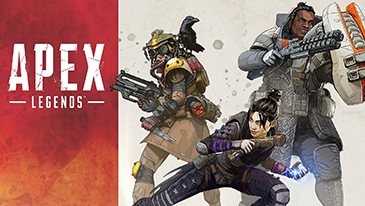
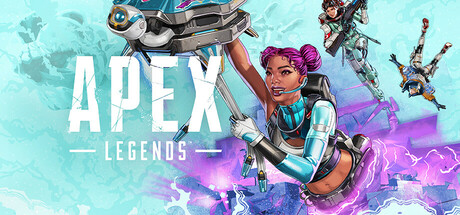
Apex Legends ships a new legend every 3 months. Genshin ships a new region every 6 months. LoL ships a new champion every 3-4 weeks. Each new release makes the previous content feel less relevant.
2. The "one more thing" treadmill
Live-service games are designed to keep you playing. Daily login bonuses, weekly missions, season passes, battle passes, ranked resets, limited-time events. Each system is small on its own, but together they create a treadmill that never stops.
Players report feeling like they "have to" log in daily to not miss rewards. This isn't fun — it's a job.
3. Power creep
Every new character or weapon in a live-service game is slightly stronger than the last. This is intentional — it sells the new release. But it means older content becomes irrelevant, and players who don't pull the new character fall behind.
Genshin's spiral abyss is a clear example: the 2024 enemies were tuned to require the 2024 5-stars. If you didn't pull, you couldn't clear the hardest content.
4. FOMO (fear of missing out)
Limited-time events, exclusive skins, time- limited battle passes — all create FOMO. Players feel they have to play now or miss out forever. This is psychologically stressful even if the reward is trivial.
5. Burnout from social obligation
Many live-service games have guilds, clans, or friends lists. Logging off means your friends can't group with you. The social pressure keeps players playing past the point of enjoyment.
What publishers are doing about it
1. Reducing daily login pressure
Some publishers are reducing the daily commitment:
- Genshin removed the daily commission
requirement for some events
- Apex made the daily login bonus less
essential
- Marvel Rivals reduced the weekly mission
burden
This is a step in the right direction, but slow.
2. Long-term content vs drip content
A few publishers are shifting from "small content drops every 4 weeks" to "big content drops every 6 months":
- Genshin ships a major region every 6
months (Sumeru, Fontaine, Natlan, Snezhnaya)
- PoE 2 ships a major league every 4 months
- Helldivers 2 ships warbonds and major
updates every 2-3 months
This is healthier for players because big content drops feel like events, not chores.
3. "Season" cadence
Some games have moved to a longer season cadence (3-4 months per season) instead of monthly:
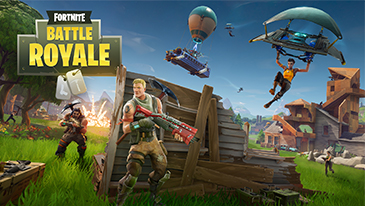
- Fortnite seasons are 3-4 months
- Apex seasons are 3 months
- Diablo 4 seasons are 3 months
Longer seasons give players more time to engage without missing out.
4. "Casual mode" experiences
Some games offer a "casual" parallel mode that doesn't require the same commitment:
- Fortnite has creative mode and party
modes
- Marvel Rivals has arcade mode
- LoL has ARAM (a single-map casual mode)
This lets players engage when they want, skip when they don't.
What's NOT working
1. Battle passes with time-limited content
Battle passes with exclusive rewards that never come back are the biggest source of FOMO. Players who miss a season feel permanently behind.
Some games (Apex, Fortnite) have started bringing back old battle pass content. This helps.
2. Daily login streaks
Daily login streaks with escalating rewards train players to log in even when they don't want to. The loss aversion is real — missing a day feels like losing 7 days of rewards.
Some games (Genshin) have moved to a "every 4 days" reward system, which is less stressful.
3. Time-limited events that are the only
way to get rewards
Limited-time events that are the only way to get a specific character or skin are predatory. If the content is exclusive to the event, players feel forced to play.
Some games have started adding "encore" runs of past events, which helps.
What players actually want
Based on community surveys and our own OFFLANE analytics:
- Bigger content drops, less often — players
want meaningful events, not weekly chores
- Catch-up mechanics — players who join
late or take breaks should be able to catch up
- No FOMO — exclusive content should rotate
back, not disappear forever
- Respect for time — the game should respect
that players have lives outside the game
- Solo-friendly — players should be able to
play meaningful content without queuing against strangers
The future of F2P
The industry is slowly moving in the right direction. Big content drops, no-FOMO battle passes, and respect for player time are becoming more common. But the transition is slow, and many publishers are still chasing the daily-engagement treadmill.
The publishers that win in 2026 and beyond will be the ones that:
- Ship big content drops, not drip content
- Bring back old content instead of gating it
- Respect player time
- Let players take breaks without losing
progress
- Make solo play meaningful
The publishers that lose will be the ones that keep chasing daily engagement, time-limited exclusives, and FOMO-driven design.
The OFFLANE take
At OFFLANE, we cover F2P games because the genre is interesting and the players deserve honest coverage. We believe in:
- Calling out games that are predatory
- Recommending games that respect player
time
- Helping players find F2P games that match
their play style
Live-service fatigue is a real problem, and the games that solve it will be the ones that survive the next 5 years.
FAQ
What's the most "respectful of player time"
F2P game in 2026?
Wuthering Waves. The 80-pull selector means new F2P players can guarantee any 5-star, and the daily commitment is small.
What's the most "predatory" F2P game in 2026?
Diablo Immortal still has some pay-to-progress patterns. Avoid.
How long should I expect to play a new F2P
game before burnout?
Average is 60-90 days. If you want to extend that, take breaks between seasons and don't try to do everything.
Should I skip live-service games entirely?
No — many live-service games are great. The trick is to play them on your terms: take breaks, skip dailies, and don't engage with FOMO-driven content.
What's the best way to avoid live-service
fatigue?
Play 2-3 games at a time, not 5-10. Take a break between seasons. And remember: the game will be there when you come back.
About 6 minutes read.